

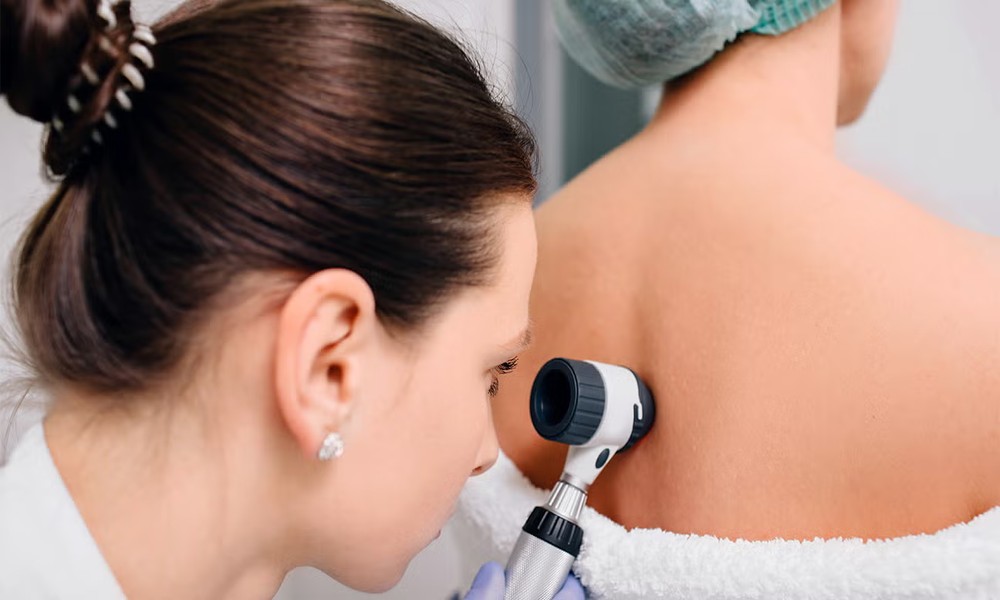
Warts appear as small, rough growths that develop when certain viruses affect the outer layer of skin. These lesions can show up on hands, feet, or other areas, causing discomfort or embarrassment. Many individuals attempt home remedies, yet results vary widely, and recurrence remains common. Dermatologists rely on clinical knowledge to address these growths with proven methods that reduce spread and improve skin health.
Professional care plays a crucial role when over-the-counter options fail to deliver consistent results. Many specialists recommend advanced approaches for wart removal because these methods target the root cause effectively. The following sections highlight five dermatologist-approved treatments that offer reliable and safe outcomes.
Cryotherapy Freezes Infected Skin Cells
Cryotherapy remains one of the most widely used methods for eliminating stubborn skin growths effectively. Dermatologists apply liquid nitrogen to freeze affected tissue, which destroys infected cells quickly. The extreme cold creates a blister that eventually falls off, revealing healthier skin beneath.
Patients may experience mild discomfort during the procedure, yet recovery usually remains manageable. Multiple sessions may be required depending on the size, location, and resistance of the lesion. Specialists monitor healing progress to ensure proper removal and reduce recurrence risk. This technique offers a fast and controlled approach for many common cases.
Salicylic Acid Breaks Down Thick Layers
Salicylic acid serves as a topical treatment that gradually softens and removes thickened skin layers. Dermatologists recommend this option for smaller lesions or early-stage growths. The acid works by dissolving keratin, which forms the outer structure of the affected area.
Regular application allows gradual peeling without causing excessive irritation when used correctly. Patients must follow instructions carefully to avoid damage to surrounding healthy tissue. Consistency plays a key role in achieving visible improvement over several weeks. This method provides a non-invasive solution that can complement other professional treatments.
Laser Therapy Targets Resistant Growth Areas
Laser therapy offers a precise option for growths that resist traditional treatments or recur frequently. Dermatologists use focused light energy to destroy blood vessels that supply the lesion. Without this supply, the affected tissue gradually shrinks and disappears over time.
This approach minimizes damage to surrounding areas while delivering targeted results. Patients may notice slight redness after the procedure, which fades as healing progresses. Sessions vary based on the severity and depth of the affected region. Laser-based techniques provide an effective solution for persistent and hard-to-treat cases.
Electrosurgery Removes Tough Skin Lesions
Electrosurgery involves the use of controlled electrical currents to remove stubborn growths from the skin. Dermatologists carefully burn and scrape away the affected tissue during this procedure. This method works well for thicker lesions that do not respond to other treatments. Local anesthesia ensures patient comfort while the specialist performs the removal process.
Healing may require a short recovery period, depending on the treated area. Proper aftercare reduces the risk of infection and supports smooth skin restoration. This technique offers a reliable solution for more resistant or advanced cases.
Immunotherapy Strengthens Body Defense Response
Immunotherapy focuses on stimulating the body’s natural defense system to fight viral infections effectively. Dermatologists apply specific agents that trigger an immune response against affected cells. This method proves useful when multiple lesions appear or recur despite other treatments. The body gradually recognizes and eliminates infected tissue through enhanced immune activity.
Patients may require several sessions before noticeable improvement becomes visible. Specialists monitor reactions to ensure safety and effectiveness throughout the process. This approach supports long-term control by addressing the underlying viral cause.
Dermatologist-approved treatments provide structured solutions that address visible growths and underlying causes. Many patients seek professional wart removal to achieve consistent and lasting results without unnecessary complications. Early consultation and proper care help maintain healthier skin and reduce the likelihood of recurrence. Timely intervention also supports faster recovery and improves treatment effectiveness significantly.