

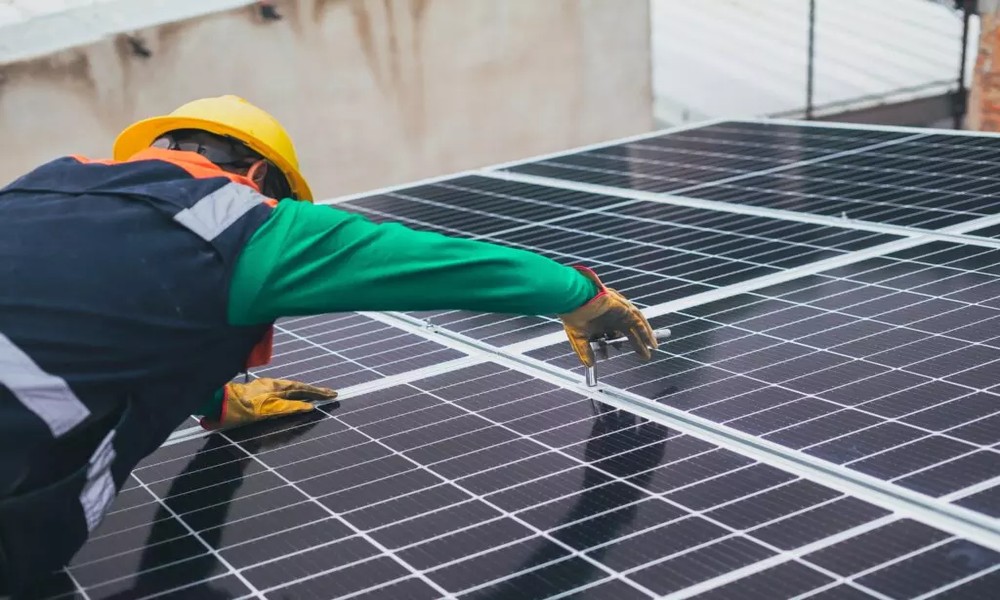
Solar panels help homes, offices, and commercial properties control energy costs every month. A qualified inspection helps protect the system when output drops or visible issues appear.
Professional solar maintenance services can identify dirty panels, damaged parts, loose wiring, and inverter faults. Early service helps property owners protect daily output, warranty records, and long-term system value. A trained technician can inspect roof equipment safely and explain the required repairs clearly.
1. Lower Energy Output Affects Daily System Value
Energy output gives property owners a clear signal about panel performance. A sudden drop in production may point to shade, dirt, cable faults, or inverter issues. Monthly electric bills and monitoring apps can show weaker output after several sunny days.
A restaurant may notice higher grid use during lunch hours despite clear weather. An office may see lower afternoon output from one roof section. Technicians can test photovoltaic strings, review inverter data, and confirm the affected area.
2. Dirt and Debris Reduce Panel Performance
Panel surfaces need clean sunlight access to produce steady energy. Dust, pollen, leaves, bird waste, and sap can block sunlight from reaching the cells. Homes near trees may show residue near panel edges after dry wind.
Commercial roofs can collect dust near vents, drains, skylights, and HVAC units. Safe cleaning needs soft tools, clean water, and methods approved for solar glass. A service crew can inspect anti-reflective coating damage during a scheduled maintenance visit.
3. Visible Damage Needs Fast Service Review
Visible damage can affect panel safety, even when the system still produces power. Cracked glass, chipped corners, bent frames, and loose clamps need expert inspection. Hail, branches, roof repairs, and wind can damage panels or mounting rails.
A homeowner may notice one dark corner after a branch hits the roof. A facility manager may see uneven panel rows after roof repair work. Technicians can document damage, inspect microinverters, and support warranty or insurance records.
4. Cable and Connector Problems Affect Safety
Cables and connectors help move power safely from panels to system equipment. Solar cables should stay clipped, covered, and clear of sharp roof edges. Loose cable ties can expose wires to heat, rain, and roof abrasion.
Rodents, storms, and repair crews can disturb connectors near rails or attic entries. Burn marks, tripped breakers, or corrosion near equipment need quick attention. Service crews can inspect junction boxes, conduit, grounding conductors, and connector seals carefully.
5. Inverter Alerts Point to Hidden Faults
The inverter reports many solar issues before visible damage appears. A red light, blank screen, or fault code can signal service needs. Some systems send alerts after grid faults, string failures, or communication loss.
Property owners should record the code, date, weather, and recent power behavior. This information helps technicians locate the cause with better accuracy. Service visits can include firmware checks, meter tests, and an inverter performance review.
6. Weather Exposure Can Weaken System Components
Severe weather can place continuous stress on exposed solar equipment across every roof section. Heavy rain, strong wind, heat, and hail can weaken mounts, seals, and protective coverings. Long sunlight exposure can affect cable insulation and reduce material strength around connectors.
Coastal properties may develop corrosion near metal hardware after repeated moisture exposure. Commercial roofs may collect standing water near mounting points after intense seasonal storms. Technicians can inspect flashing, rail alignment, seal condition, and mounting stability during maintenance visits.
Professional maintenance keeps solar systems safe, efficient, and dependable throughout regular daily operation. Reliable solar maintenance services help property owners avoid costly repairs, electrical faults, and unexpected output loss. Experienced technicians can inspect wiring, panels, inverters, and mounting parts with proper equipment and technical knowledge. A trusted service provider should offer detailed inspections, clear communication, and consistent long-term support for every property.