

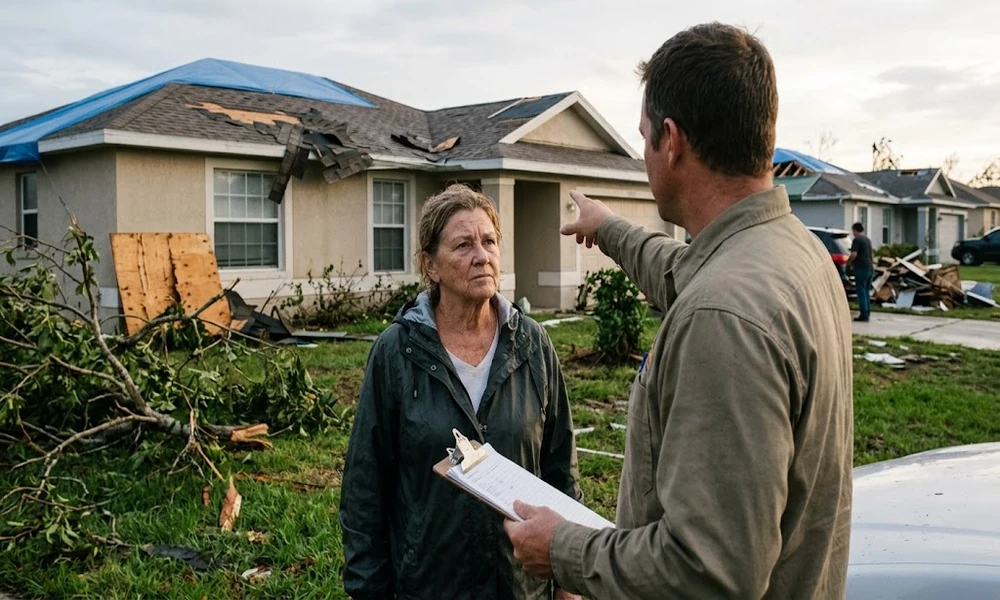
Florida’s climate exposes homes and businesses to hurricanes, tropical storms, heavy rainfall, hail, and strong winds throughout the year. When severe weather causes property damage, filing an insurance claim is often the first step toward recovery. Understanding how Florida storm damage claims are evaluated can help property owners know what to expect during the claims process and prepare the necessary documentation.
Initial Damage Assessment
After a storm, property owners should inspect their property as soon as it is safe to do so. Visible damage to the roof, siding, windows, fencing, and other structures should be documented with photographs and videos. Creating a detailed list of damaged items can help support the insurance claim and provide a clear record of the property’s condition immediately after the storm.
Filing the Insurance Claim
Once the damage has been documented, the policyholder typically notifies their insurance company and submits a claim. The insurer may request information such as the date of the storm, a description of the damage, photographs, repair estimates, and any emergency measures taken to prevent further damage, such as temporary roof coverings or water removal.
Inspection by an Insurance Adjuster
In most cases, the insurance company assigns an adjuster to inspect the property. The adjuster evaluates the extent of the damage, determines whether it is consistent with the reported storm event, and estimates the cost of repairs. This inspection may include examining the roof, exterior walls, interior water damage, structural components, and other affected areas.
Reviewing Insurance Coverage
After the inspection, the insurer reviews the property’s insurance policy to determine what types of storm damage are covered. Coverage depends on the specific policy terms, exclusions, deductibles, and coverage limits. Certain types of damage, such as flooding, may require separate insurance coverage depending on the circumstances.
Factors That May Affect the Claim
Several factors can influence how a storm damage claim is evaluated, including the age and condition of the property, the severity of the storm, maintenance records, repair estimates, and the quality of supporting documentation. Prompt reporting and thorough documentation can help streamline the evaluation process and reduce potential disputes.
Final Thoughts
Every storm damage claim is unique, but the evaluation generally involves documenting the damage, inspecting the property, reviewing the insurance policy, and determining the appropriate level of coverage. By understanding how claims are assessed and keeping detailed records, Florida property owners can be better prepared to navigate the insurance process following severe weather.
This post was written by Kelly-Ann Jenkins of Jenkins Law P.L. Kelly-Ann is a St Petersburg Property Damage Attorney. She focuses on personal injury, car accidents, bicyclist injury and Insurance Calims for Calamity. The information on this site is not intended to and does not offer legal advice, legal recommendations, or legal representation on any matter. Hiring an attorney is an important decision, which should not be based on advertising. You need to consult an attorney for legal advice regarding your situation.
The information provided on this website does not, and is not intended to, constitute legal advice; all information, content, and materials available on this site are for general informational purposes only. Information on this website may not constitute the most up-to-date legal or other information. This website contains links to other third-party websites. Such links are only for the convenience of the reader, user or browser; the ABA and its members do not recommend or endorse the contents of the third-party sites.