

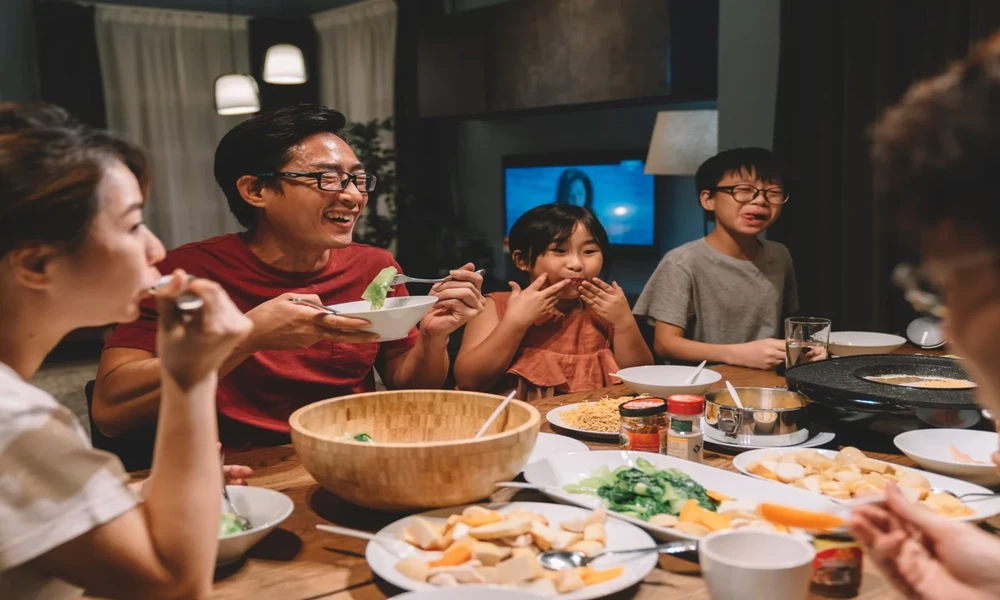
If guests will eat in two groups, plan two serving occasions rather than one meal left on display. Decide who belongs to each round, whether the later food will be cooked separately, and how any prepared food will be stored. Clear timing helps the host coordinate the kitchen while giving the later group a meal planned for their arrival.
Know which guests belong to each round
Confirm the arrangement with guests before buying food. A vague expectation that some people will arrive later is not enough to organize separate meals. Ask which group each person expects to join and whether they will be eating at your home. This is particularly useful when someone may arrive after already having dinner elsewhere.
Keep the grouping flexible enough for ordinary changes but clear enough to cook from. If a guest’s plans shift, ask them to tell you before preparation begins. The aim is not to enforce a rigid schedule; it is to avoid cooking for an absent person while another guest is unexpectedly waiting to eat.
Plan the table as well as the food. Decide when the first group will finish using the seats and how the place settings will be prepared for the second. The later meal should not depend on finding clean forks or clearing crowded plates while the food is ready.
Separate uncooked quantities from prepared food
Choose whether the second round will start with frozen product or with properly stored cooked food. These are different plans. Keeping uncooked product frozen until its preparation follows one set of directions; storing and reheating leftovers follows another. Do not blur them into an instruction to “warm up the rest.”
Cheeky Chicken Bites are mini chicken-and-onion dumplings sold frozen and uncooked. The descriptions on Holy Perogy’s Chicago page can help identify that exact product when planning the purchase. Its small format does not make it ready to serve, and it should not be confused with breaded chicken nuggets.
If cooking separately for each group, leave the second round’s uncooked product stored according to the package until needed. Read the preparation directions for the actual product and plan the necessary tools. A second round is another cooking task, so make sure someone will be available to carry it out.
If cooking in advance for the later group, establish the cooling, storage, and reheating plan before beginning. Do not make that decision after a platter has already spent an uncertain time on the table. Food held for later should have a clear handling history, not a collection of guesses about when it was served.
Give the later group its own clear serving time
Tell later guests when you expect to serve their meal. An arrival window and a dinner time can be different, especially if preparation will start after they arrive. A clear explanation avoids pressure to rush the food merely because someone assumed it would be ready immediately.
Work backward from that serving time using the actual preparation method. Include the ordinary tasks around cooking: retrieving tools, arranging plates, and preparing the accompaniment. Do not promise a universal quick cooking time based only on the size of the dumplings.
Keep the later group’s side dishes in the plan too. A meal is not fully organized if the dumplings have a second preparation slot but the salad or other accompaniment has been left out since the first group ate. Decide which components will be made later and which can be stored appropriately until needed.
Keep the second group’s meal plan clear
Use a short sequence that distinguishes the two rounds and the condition of the food. This is especially helpful if another person will take over the kitchen between groups. They should be able to identify what remains uncooked, what has already been prepared, and what action comes next.
- Prepare and serve the first group’s meal, keeping any product reserved for later in its directed frozen storage.
- Put away cooked food intended for later promptly using a suitable storage plan; do not leave it on the serving table as a placeholder.
- Reset the eating area and either cook the later group’s frozen product according to its package or reheat properly stored leftovers using the appropriate guidance.
Label any stored cooked food clearly enough that another helper can distinguish it from uncooked product. Preserve the original packaging for the uncooked dumplings. The distinction matters more than making the storage containers look uniform.
When handing over responsibility, explain what has happened rather than only what is supposed to happen. The next cook needs the actual status of the food and the agreed serving time. If the schedule has changed, update the plan before they begin.
Apply proper storage to food held for later
The FDA advises refrigerating or freezing perishable food within two hours, or within one hour when the outside temperature exceeds 90°F. It also recommends dividing large amounts of leftovers into shallow containers. These limits are relevant to prepared food between rounds; they are not permission to leave a meal out until the latest possible moment.
For reheated leftovers, FDA guidance calls for 165°F measured with a food thermometer. That is leftover guidance, not a replacement for the first-cook instructions on an uncooked dumpling package. Keep those two references separate when explaining the plan to anyone helping.
If you cannot manage the storage and later preparation reliably, simplify the arrangement or change the menu. Two groups can share the same hospitality without receiving food from the same platter. The later diners should arrive to a clear plan, not the remnants of a meal that has been waiting for them indefinitely.